

Timely Topics. Trusted Voices. Transformative Conversations.
PLACE Exchange is a forum where UW–Madison School of Education faculty and staff join educational and organizational leaders, families, and community members to discuss timely education topics related to pre-K-12 and the broader lifespan.
Whether you’re a classroom teacher, school leader, parent, policy maker, or community advocate, PLACE Exchange offers accessible, actionable learning to help you stay informed and empowered.
* PLACE Exchange is hosted by the office of Professional Learning and Community Education (PLACE). This program was made possible by the generosity of the School of Education Dean’s Office and the Mary T. Kellner Teacher Education Center.
Key Information:
- 75-minute virtual gathering
- Fully-funded–no cost to participants
- Focused presentations of foundational knowledge
- Engaging Q&A for dialogue
During each PLACE Exchange, participants gain:
- Evidence-based insight and access to the latest research
- Up-to-date resources and effective strategies
- A welcoming space for your questions
Upcoming Webinars
Staying Active Together: Physical Activity for Children with Disabilities and Their Families – October 21, 2026 | 4:00 – 5:15 pm CST | Virtual via Zoom
Presented by: Dr. Luis Columna, Professor in the Department of Kinesiology
How can families stay active together, especially during the long winter months? In this presentation, Luis Columna, PhD, will share findings from his research with children with disabilities and their families. He will discuss how physical activity can help children develop motor skills, build confidence, and participate more fully at home, at school, and in their communities. The presentation will also explore the important role parents play in supporting their children’s participation and why parents need opportunities to exercise for their own health and well-being. Participants will leave with practical ideas for inclusive winter activities that families can enjoy together, along with strategies for adapting activities to different abilities, interests, and needs. Parents, educators, and community professionals will gain useful ways to make movement enjoyable, accessible, and part of family life throughout the year.
What If We Taught Writing Through Play? The Whoopensocker Approach to Arts-Integrated Literacy – November 18, 2026 | 4:00 – 5:15 pm CST | Virtual via Zoom
Presented by: Dr. Erica Halverson, Professor in the Department of Curriculum & Instruction
How can we make writing instruction more creative, playful, and engaging? In this PLACE Exchange, Dr. Erica Halverson shares the thinking behind Whoopensocker, an arts-integrated literacy approach that uses theater and improvisation to help learners develop their creative writing skills. Created in partnership with PBS Wisconsin Education, the free-to-use Whoopensocker Collection offers games, lessons, and educator resources to bring this approach into classrooms and learning environments. We’ll explore the collection, play some games, write our own stories, and get a preview of what’s next for Whoopensocker. Whether you’re an educator looking for fresh approaches to literacy or simply curious about the power of arts-integrated learning, you’ll leave with ideas and resources to explore.
Learning anything new requires a risk. Dr. Erica Halverson has spent the last 20 years studying the intersection of arts and learning. In the next PLACE Exchange, we will explore the Whoopenscoker way of scaffolding risk taking to support children who are learning to write. She’ll share free and accessible tools for educators and parents to inspire creativity and expression. Join us for this interactive session where we’ll explore these tools and even write together.
Demystifying Data Science in K-12 Education – December 16, 2026 | 4:00 – 5:15 pm CST | Virtual via Zoom
Presented by: Lisa Hennessey, Professor in the Department of Curriculum & Instruction
Spring 2027 Sessions to be Announced
Watch Previous Webinars
Presented by: Dr. Brian Burt, Professor, Director, Wisconsin’s Equity and Inclusion Laboratory (Wei LAB)
Every child deserves to see themselves in STEM, yet Black men still make up less than two percent of STEM graduate students. Dr. Brian Burt and his team spent the last decade researching how to empower Black men and boys in STEM. In the next PLACE Exchange, we will explore the Black Males in Engineering Multimedia Project. This innovative initiative translates rigorous scholarship into accessible short-form videos and interactive toolkits for parents, teachers, and advocates. We’ll share concrete ways to foster STEM identity, community, and lifelong success from early childhood to the workplace. Come be part of the solution.
Move Your Mood: What Happens to How We Feel After Exercise – August 19th, 2026 | 4:00 – 5:15 pm CST
Presented by: Jacob Meyer, PhD, Assistant Professor in the Department of Kinesiology, and Principal Investigator in the Wellbeing and Exercise Lab
We often think of exercise as an investment in our future health, but physical activity can also have powerful effects on how we feel right now. In this presentation, Jacob Meyer, PhD, will explore what happens to our mood, stress, energy, and well-being in the minutes to hours after a single bout of exercise, drawing on research from his lab and the broader scientific literature. Participants will learn how movement can help people feel more prepared for the challenges that come next—whether that’s a stressful meeting, a difficult conversation, a day in the classroom, or managing symptoms of depression and anxiety. The session will also highlight practical ways to incorporate physical activity throughout the day and discuss how exercise is being integrated into mental health treatments to support emotional well-being.
Responsible AI in Classrooms – May 20, 2026 | 4:00 – 5:15 pm CST
Presented by: Shamya Karumbaiah, Assistant Professor in the Department of Educational Psychology.
While AI biases and stereotypes are harmful to students, we are often left with an ethical dilemma: if the AI intervention makes all students better off than before, even if the improvement is more for one group than another, do we choose to deny access to this intervention to all students? In the absence of a counterfactual or better alternative, can we justify using this AI tool? Are there contexts where finding an alternative is especially difficult (e.g., finding bilingual resource teachers in rural schools)? Join us as we explore these ethical dilemmas with authentic cases during the PLACE Exchange session on Responsible AI in Classrooms.
Beyond the “Off” Switch: Evidence-Based Strategies for Healthy Digital Habits in Children – April 29th, 2026 | 4:00 – 5:15 pm CST
Presented by: Larissa N. Niec, Professor in Psychological Treatment, Psychotherapy, and Mental Health Interventions in the Department of Counseling Psychology.
As digital devices become permanent fixtures in the lives of young children, educators, parents, and providers are challenged by the management of children’s screen device use and wonder whether there can ever be such a thing as healthy screen time. Attendees will explore the data behind screen impact on development and learn what it is children want more than screens. Whether you are a teacher managing classroom behavior, a mental health provider supporting a family, or a parent struggling with the balance, you will learn about evidence-based strategies to help regain balance through the lens of attachment and clear, health-focused boundaries.
Presented by: Dr. Julie Mead, UW-Madison Professor Emerita
In this session participants will get an overview and an update to special education law, exploring topics like: 1) The difference between 504 Plans and IEPs and teachers’ roles in developing and delivering each; 2) Understanding the term “benefit” when thinking about what a child needs on an IEP; 3) Understanding parents’ rights in the process; 4) Understanding teachers’ roles in the discipline of children with disabilities; and 5) Understanding your obligations under federal and state law given the changes happening at the United States Department of Education.
First Amendment Rights for Students – February 7th, 2026 | 9:00 am – 10:15 am CST
Presented by: Suzanne Eckes, Susan S. Engeleiter Professor of Education Law, Policy, and Practice at the School of Education
During this session we will explore legal issues that address students’ First Amendment rights in k-12 public schools. For example, can a student wear a political t-shirt to school? Can a student criticize a teacher on social media? How much leeway does a student have to express their opinions off-campus? When does freedom of speech cross the line into bullying and harassment? When do dress code policies (or policies related to hair) abridge students’ First Amendment rights?
New Legal Developments for Educators – January 10th, 2026 | 9:00 am – 10:15 am CST
Presented by: Suzanne Eckes, Susan S. Engeleiter Professor of Education Law, Policy, and Practice at the School of Education
This session will provide educators with a basic legal update on a variety of pressing matters that impact K-12 public schools. For example, issues surrounding student discipline, student injury, religion in schools, FERPA (Family Educational Rights and Privacy Act), social media and teachers’ SPEECH RIGHTS, book bans, curricular challenges, and other emerging topics will be discussed. This update will be useful to classroom teachers/aides, school leaders, school board members, parents, and others interested in school legal issues.

Stephanie Richards
Credentials: MPH
Position title: Outreach Program Manager
Pronouns: she/her
Stephanie is the NEA Research Lab Project Manager. She also manages the UW Community Arts Collaboratory, supporting program administration, fundraising, community partnerships, and research. She is an aerialist and teaches, performs, and produces at the Madison Circus Space.
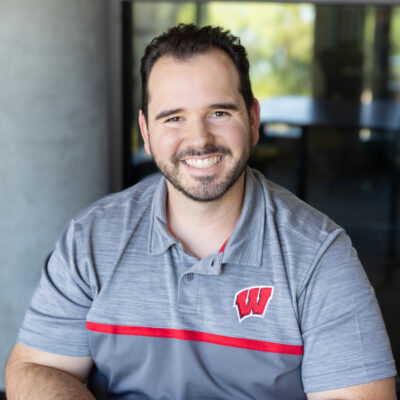
Eric Lopez
Credentials: BBA, MSM
Position title: Marketing Specialist
Eric Lopez serves as the Marketing Specialist at PLACE, where he drives the promotion and growth of program audiences through strategic email campaigns and comprehensive social media management. He holds a Master of Science in…
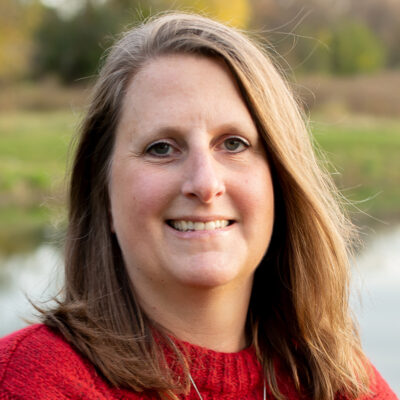
Sandra Taylor-Marshall
Credentials: BA, MS
Position title: Outreach Program Manager
Sandra is an Outreach Program Manager at PLACE who develops and facilitates programs with UW-Madison faculty that exemplify the Wisconsin Idea in action. For example, she designed the Coalition for Leading Anti-Racist Schools with Dr. Anjalé…
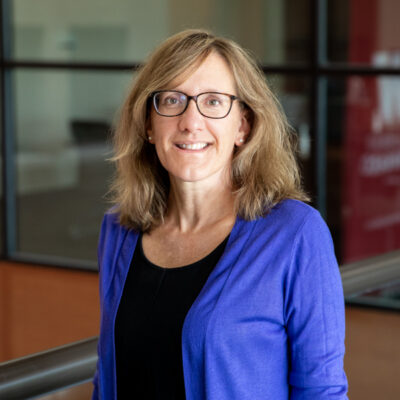
Suzanne Eckes
Position title: Susan S. Engeleiter Professor of Education Law, Policy, and Practice at the School of Education
Suzanne Eckes is the Susan S. Engeleiter Professor of Education Law, Policy, and Practice at the School of Education. Much of her research focuses on how civil rights laws impact education policies in K-12 public…
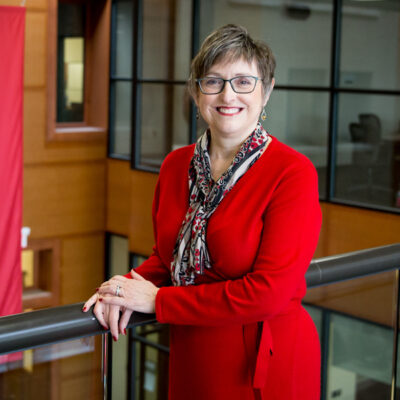
Julie Mead
Position title: Professor Emerita in the Department of Educational Leadership & Policy Analysis
Julie Fisher Mead is a professor emerita in the Department of Educational Leadership & Policy Analysis. Dr. Mead researches and writes about topics related to the legal aspects of education. Dr. Mead’s research centers on…
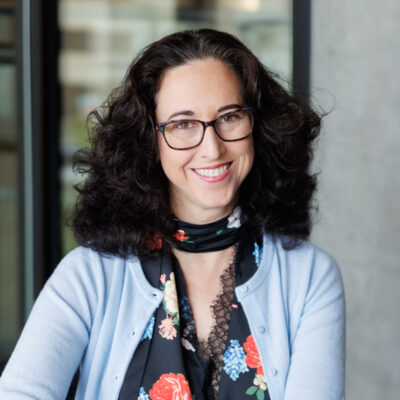
Larissa Niec
Position title: Professor in Psychological Treatment, Psychotherapy, and Mental Health Interventions in the Department of Counseling Psychology
Larissa N. Niec, PhD is Professor in Psychological Treatment, Psychotherapy, and Mental Health Interventions in the Department of Counseling Psychology. She earned her Ph.D. in Clinical Psychology from Case Western Reserve University and completed a…

Shamya Karumbaiah
Position title: Assistant Professor in the Department of Educational Psychology
Karumbaiah studies human-centered AI for teaching and learning. Her current research focuses on constructing a scientific and critical understanding of equitable and responsible use of AI in classrooms. After being a computer scientist for over…

Jacob Meyer
Position title: Associate Professor
Dr. Meyer is an expert on the neurobiological effects of exercise on depression and his research is designed to capitalize on the psychological effects of exercise for major depressive disorder and other mood disorders. This…
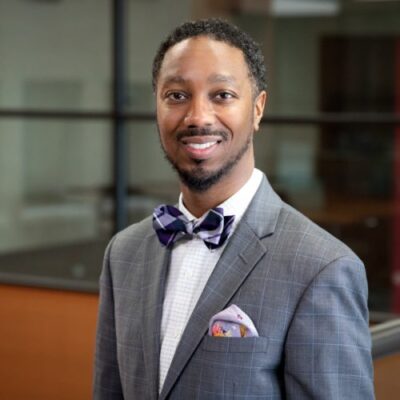
Brian Burt
Position title: Professor, Director, Wisconsin's Equity and Inclusion Laboratory (Wei LAB)
Dr. Burt uses qualitative methodological approaches to study the experience of graduate students and the institutional policies and practices that influence students’ pathways. His current research falls into two strands: understanding team-based research experiences, and…
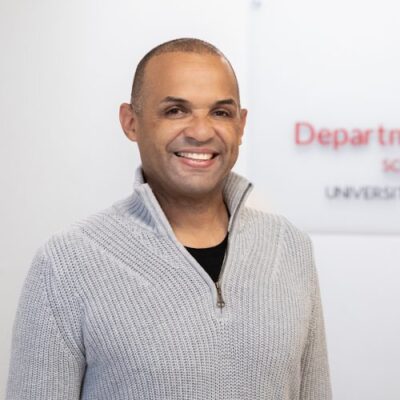
Luis Columna
Position title: Professor, Kinesiology
Luis Columna’s research program focuses on families and children with developmental disabilities (e.g., autism spectrum disorder, Down syndrome). Through my research we attempt to identify ways to increase the participation of families (especially Hispanic) of…
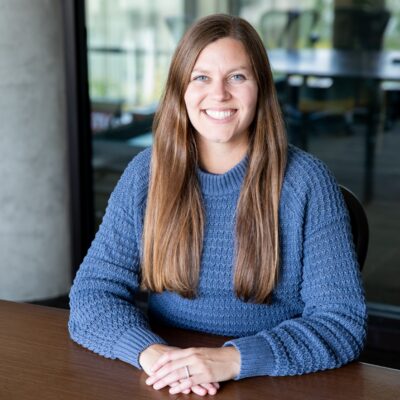
Lisa Hennessey
Credentials: M.S.
Position title: Teaching Faculty and Secondary Math Program Coordinator
Pronouns: she/her/hers
Lisa Hennessey is a mathematics teacher educator at the University of Wisconsin–Madison, pursuing her purpose to ensure that everyone is seen and valued as mathematical by their peers, teachers, community, family, and self. Currently, she…